
Relocating from the city to rural Lane County is not a commute change. It is a life change. This is the playbook I walk families through when the move is real.
The families I work with arrive from Portland, from Eugene, from the valley and the coast. They are not running from something, usually. They are running toward something: space, quiet, land, a different pace of week.
Whatever pulled you here, the move itself follows a shape. Here is that shape, with the numbers that matter, so you can plan it like the life change it is.
"Relocating from the city to rural Lane County is not a commute change. It is a life change. Plan it that way."
Start with the Why, Then the Map
Before you open a single listing, get clear on what the move is for. Space for kids and animals. A garden that matters. Distance from the noise. The reason shapes the map.
If the why is space and quiet, the map is wide. If it is still a work commute, the map narrows. That is the first filter, and it saves months.
Know What the Drive Really Is
The distance from Portland to Eugene is about 110 miles, roughly two hours on a good day on I-5. It is a day trip, not a commute.
The distance from Portland to McKenzie Bridge is about 156 to 158 miles, roughly three hours: I-5 south, then Highway 126 east up the McKenzie River.
Neither is a barrier. Both should be true in your planning. A Portland-to-rural-Lane-County move usually means visiting, touring, and doing a handful of focused trips well, not a weekly commute.
From Eugene or Springfield, the rural parts of the county are minutes to an hour. That is a different reality, and it changes how you search.
The Money Difference Is Real, and It Moves
Home prices in Oregon are a moving target, so treat any figure as a snapshot, not a promise. Here is the shape of the market in late 2026.
Portland's median sale price sits around $518,000 to $527,000. Eugene runs close, around $500,000 to $524,000. Springfield comes in lower, roughly $420,000 to $478,000.
The gap between Portland and Springfield is around $100,000 or more at the median. That gap is real money, and it is one of the honest reasons families make this move.
Rural Lane County is its own bracket. Acreage parcels near town sell as homes first and land second, and the price depends on the improvements more than the acre count. That is why per-acre comparisons only take you so far.
How Oregon Property Tax Works, So There Are No Surprises
Oregon taxes property differently than many states, and it helps to understand the system before you fall in love with a number.
Two measures do most of the work. Measure 5 caps overall rates at $15 per $1,000 of real market value. Measure 50 limits how fast the assessed value can climb, capping growth at about 3 percent a year.
In practice, Lane County's effective property tax rate lands around 0.76 to 0.89 percent of home value, with a typical annual bill in the low thousands. The exact rate depends on your district, so the bill on your actual address is the only one that counts.
Oregon has no sales tax. For families coming from places that do, that changes the monthly math in a real way.
The Timeline, So You Can Plan Around It
A relocation is a project, and projects need dates. Here is the honest timeline for a financed purchase in Oregon.
Pre-approval: one to three business days once your documents are in. Do this first.
Search: usually four to twelve weeks of active looking. A remote search runs on focused trips, not endless scrolling.
Offer to closing: typically 30 to 45 days for a financed purchase. Cash can close faster, in 15 to 25 days.
Earnest money: customarily 1 to 3 percent of the purchase price, due within days of acceptance.
Work backward from your move date. The search is the part families underestimate. It is not the paperwork that takes the time. It is finding the place that fits.
The Land Layer That Listings Never Show
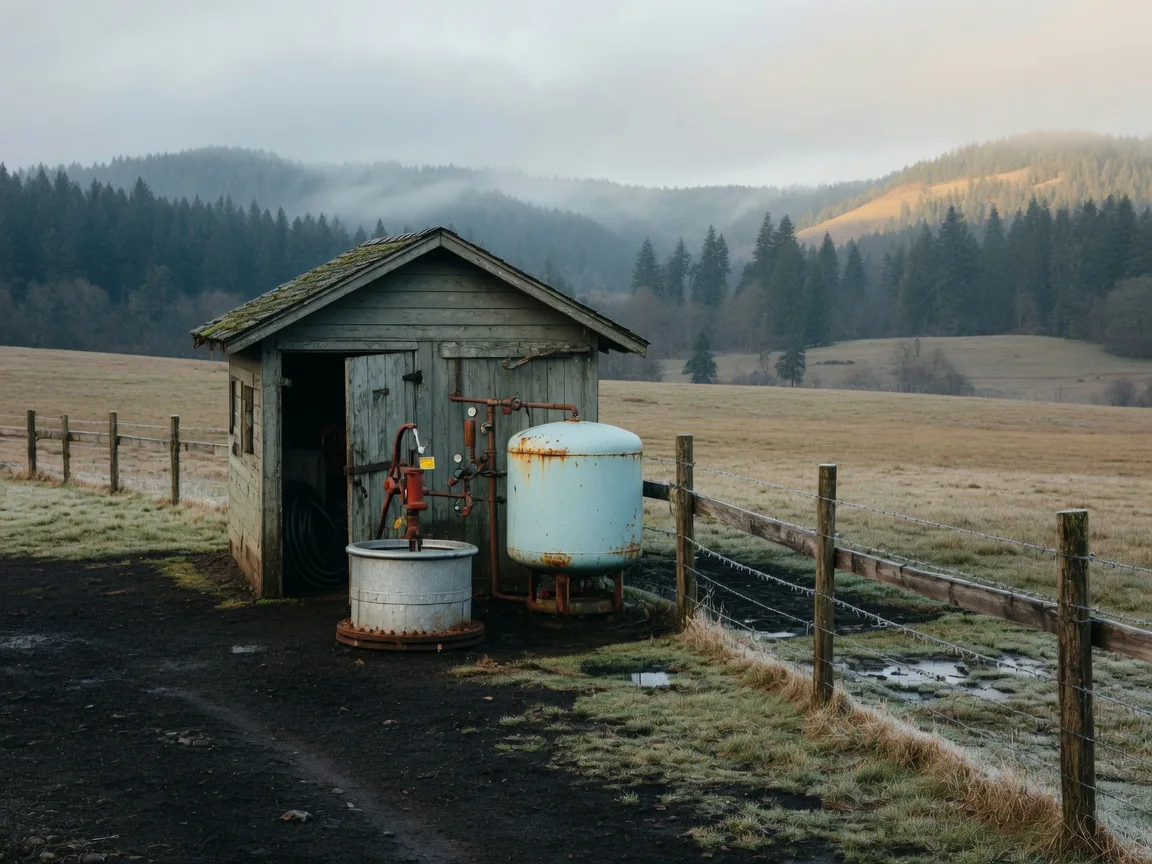
Rural Lane County comes with due diligence the city never asked for: wells, septic, zoning, road access, easements. None of it shows in the photos.
The good news is that all of it is checkable, and all of it is cheaper to check before you offer than after you close.
I keep a free acreage buyer checklist built for Lane County families. It walks through every one of those questions in the order to ask them.
What the First Year Is Actually Like
- The grocery run is longer. Plan your week around it, and the drive becomes normal.
- Winter changes the drive. Mud, ice, and unplowed roads are real on rural Lane County roads. Good tires and a plan matter.
- Internet can be a variable. Check the actual address before you commit, especially on acreage.
- The quiet takes getting used to. Most people tell me it is the part they were chasing. A few tell me it is louder than they expected, in the good way: wind, birds, creek noise, nothing.
None of these are reasons not to move. They are reasons to move with open eyes, which is exactly the point of a playbook.
Your Next Step
A relocation to rural Lane County works best when it starts with a clear plan, not a list of saved listings.
If you are making this move, book a free 30-minute call. We will talk through your why, your map, your numbers, and your timeline, and you will leave knowing what the move actually looks like.